

Dreams casino Gates of Olympus slot
Introduction
Gates of Olympus is one of those slots that many players recognise before they fully understand how it actually behaves. I have seen that happen repeatedly: the theme is memorable, the multiplier mechanic looks dramatic, and the bonus round creates the impression that a huge hit can land at almost any moment. On the Dreams casino Gates of Olympus page, that first impression matters, but it should never be the only reason to try the title.
What makes this release worth a closer look is not just its visibility. It is the way it combines a simple setup with a highly uneven reward profile. Behind the glowing symbols and the Zeus presentation sits a volatile video slot that can feel generous in short bursts and stubborn for long stretches. That contrast is exactly why players keep returning to it, and also why some leave disappointed if they start without the right expectations.
In this review, I will focus on what Gates of Olympus really offers in practical terms: how the tumble system works, what the multipliers actually mean during a session, how the Dreams Casino free spins guide with key terms and account details can change the pace, and where the risks are. The key question is not whether the slot is famous. The real question is whether its rhythm, variance and payout structure fit the way you prefer to play.
What Gates of Olympus is and why it attracts so much attention
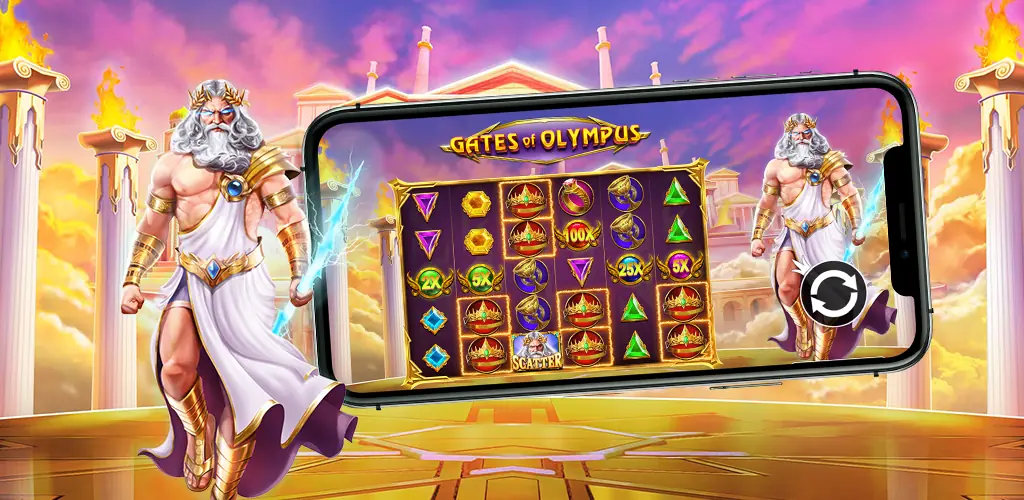
Gates of Olympus is a 6x5 grid slot from Pragmatic Play built around cluster-style symbol matching rather than fixed paylines. Instead of needing symbols on set lines, players need enough matching symbols anywhere on the reels to trigger a paying combination. That immediately makes the board feel more open and less rigid than traditional line-based slots.
The visual identity is straightforward: Greek mythology, a thunder-wielding Zeus, gemstones, rings, crowns, hourglasses and chalices. None of that is especially original on paper. What made the slot stand out is the way the presentation supports the gameplay loop. Every time a multiplier lands, the screen tells you something important may be building. Every time symbols disappear in a tumble, the round feels alive for longer than a single spin result would suggest. The full picture of payment methods lives in Dreams Casino coupons page for detailed casino comparison, including the less common ones.
That is one of the reasons the title became so noticeable across UK-facing casino lobbies, including Dreams casino. It offers a style of session that feels eventful even when the bankroll graph is moving unevenly. Players are not simply spinning and checking a line result. They are watching for chain reactions, waiting for a multiplier to connect, and hoping that a calm sequence suddenly turns into a strong return.
Still, attention does not equal suitability. Gates of Olympus has a habit of creating excitement before it creates value. That distinction matters. The slot is good at making near-miss moments feel significant, and that can be entertaining, but it also means players need to separate visual momentum from actual balance impact.
How the core gameplay system works in real play
The basic structure is easy to explain. The grid has 6 reels and 5 rows. Wins are formed when 8 or more matching symbols land anywhere on the screen. Low-value symbols are the card ranks from 9 to A, while premium symbols include the hourglass, ring, chalice and crown. If a winning cluster lands, those symbols disappear and new ones drop into place in the same spin. This is the tumble mechanic.
On paper, tumbling is simple. In practice, it changes the emotional rhythm of the slot. A spin is not always one outcome. It can become a short sequence of linked outcomes, and that gives Gates of Olympus much of its identity. A weak-looking board can suddenly improve after one clear. A decent hit can also stall immediately. The slot lives in that uncertainty.
There are no wild symbols in the conventional sense. Instead, the most important special symbol is the multiplier symbol, represented by Zeus. It can appear with values such as 2x, 3x, 5x, 10x, all the way up to 500x in the right context. During the base game, these multipliers only matter if they appear in a winning tumble sequence. If they do, all multipliers collected in that spin are added together and applied to the total tumble win.
This point is essential for new players. A multiplier on its own does nothing. It needs a paying result in the same spin cycle. That is one of the slot’s defining traits. It creates many moments that look dramatic but end with no monetary effect. If you do not understand that early, the game can feel misleading. If you do understand it, the design makes more sense: it is built around occasional compression of value, not steady reward flow.
| Element | How it works | Why it matters in practice |
|---|---|---|
| 6x5 grid | No fixed paylines; wins form from 8+ matching symbols anywhere | Results feel less rigid and more dependent on board density |
| Tumble feature | Winning symbols disappear and are replaced in the same spin | One spin can extend into several linked outcomes |
| Multiplier symbol | Zeus multipliers are added together and applied to a tumble win | Large returns depend on timing, not just symbol quantity |
| Scatter symbols | 4 or more scatters trigger free spins | The bonus round is the main source of top-end potential |
Special symbols and bonus features that define the slot
The scatter symbol is the golden crown with a lightning effect, and it is central to the slot’s structure. Landing 4, 5 or 6 scatters awards 15, 20 or 25 free spins respectively. In the free spins round, the core rules remain familiar, but one major change transforms the potential: multiplier symbols that appear and connect are not reset after each tumble. They accumulate through the feature. A quick read of Dreams Casino chicken road review before depositing real money answers most questions about limits and account settings.
That accumulation mechanic is the reason the bonus round can swing so sharply. If several multipliers land across a free spins sequence, the total applied value can become serious very quickly. A modest symbol hit paired with a large stored multiplier can outperform a visually bigger board that had no multiplier support. In other words, the feature is not just about more spins. It is about layered multiplier pressure.
There is also a retrigger. During free spins, 3 or more scatters can award additional spins. That helps sustain the feature and gives the round more room to build. Some sessions produce bonus rounds that look quiet for several spins and then suddenly accelerate once multiplier values stack up. This delayed ignition is one of the slot’s most distinctive behaviours.
A useful observation here: Gates of Olympus often feels strongest not when it hits often, but when it condenses several good things into one short sequence. That is different from slots that reward players with regular medium wins. Here, the excitement comes from compression. You can spend a long time waiting for one sequence that does most of the work.
Base game multipliers are conditional. They only count if they land during a paying tumble sequence. To understand the wagering rules behind each offer, open detailed Dreams Casino games information for active casino players next.
Free spins are where the ceiling opens up. Accumulated multipliers make the bonus round far more dangerous in both a good and bad sense.
Retriggers matter more than they first appear. They extend not just time, but the chance to build a meaningful multiplier total.
Volatility, payout profile and who this style of slot suits
Gates of Olympus is widely treated as a high volatility slot, and that description is fair. The RTP often listed for the standard version is 96.50%, though this can vary depending on the operator setup. RTP, however, only tells part of the story. What matters more for the player experience is distribution. This title does not spread its theoretical return evenly across frequent small results. It concentrates value into less predictable moments.
That means several things in practice. First, base game sessions can run cold for longer than casual players expect, especially if they are used to slots with more regular hit frequency. Second, even when a bonus lands, the result can still be underwhelming. The free spins round is the main route to stronger returns, but it is not a guarantee of them. Third, when the slot does connect properly, it can escalate quickly because multipliers amplify a single tumble chain in a way that line-based games often do not. Players who value quick withdrawals will find real timings in Dreams Casino no deposit free chips guide.
I would say this slot suits players who are comfortable with uneven sessions and who enjoy waiting for one concentrated result rather than collecting lots of small returns. It is less suitable for players who prefer stable entertainment time from a modest balance. If your idea of a good slot session is regular action and frequent medium-sized hits, Gates of Olympus may feel too spiky.
One of the most common mistakes is assuming that a visually active slot must also be forgiving. Gates of Olympus is not especially forgiving. It is simply expressive. The animations, the lightning, the tumbling and the multipliers create movement, but movement is not the same thing as value. That is an important distinction to keep in mind before committing real money.
What to understand about pace, risk and big-hit potential
The pace of Gates of Olympus is fast in presentation but irregular in substance. Spins resolve quickly, tumbles keep the screen busy, and the multiplier drops create a sense of urgency. Yet the actual bankroll experience can be more stop-start than it appears. You may get several visually lively spins in a row that barely move the balance, then one short sequence that changes the session.
This is where risk management matters. It does not feel slow, even when it is not paying much. The slot can burn through a balance faster than some players expect because the entertainment layer is strong enough to disguise dry stretches. In practical terms, that means stake sizing becomes more important than in lower-volatility titles. If you are testing the slot for the first time at Dreams casino, a cautious stake is the sensible way in.
There is also the issue of expectation around “big wins” or “max win potential”. Gates of Olympus is known for strong headline potential, but players should treat that as statistical possibility, not session logic. The existence of a high ceiling does not mean the slot is regularly generous. In fact, high-ceiling slots often rely on many average or weak rounds to support rare standout outcomes.
Another thing worth noting: this is a slot that can produce a strong result from a board that looked ordinary a second earlier. That unpredictability is part of its appeal. It is also why some players find it hard to stop. The game repeatedly suggests that the next tumble chain could be the one. For disciplined players, that is manageable. For impulsive players, it can become expensive.
How Gates of Olympus compares with other major video slots
Compared with classic 5x3 video slots, Gates of Olympus feels less structured and more momentum-driven. There are no fixed paylines to read, no expanding wild system to track, and no complicated feature ladder. The rules are accessible. The volatility profile is not. That combination is one reason the slot reaches a broad audience: it is easy to understand at entry level, but it still offers the swing profile that experienced players often seek.
Compared with Hold and Win-style titles, the difference is even clearer. Hold and Win slots usually build suspense through collection and persistence. Gates of Olympus builds suspense through multiplication and timing. You are not waiting for a board to lock in place. You are waiting for symbols and multipliers to collide in the same sequence.
Against other Pragmatic Play releases, Gates of Olympus stands out because its identity is unusually clean. Some slots rely on several competing ideas at once. This one is built around a single memorable interaction: tumbles plus multipliers, with free spins turning that interaction up significantly. That focus makes it easy to follow and easy to remember.
There is, however, a trade-off. Because the core loop is so concentrated, players who do not enjoy the tumble-multiplier pattern may lose interest faster than they would in a slot with more feature variety. Gates of Olympus does not offer many side mechanics or surprise systems. It asks one question repeatedly: can this spin chain connect with multiplier value? If that question excites you, the slot works. If not, it can start to feel repetitive.
| Comparison point | Gates of Olympus | Many standard video slots |
|---|---|---|
| Win structure | 8+ matching symbols anywhere on the grid | Fixed paylines or ways-to-win systems |
| Main tension driver | Multipliers landing during tumbles | Wild placement, line hits or feature triggers |
| Bonus round identity | Persistent multiplier accumulation in free spins | Often more spins, sticky wilds or pick features |
| Session feel | Uneven, explosive, event-led | Often steadier, sometimes less dramatic |
Practical strengths and weaker points of the slot
The biggest strength of Gates of Olympus is clarity. I do not mean simplicity in a shallow sense. I mean that the slot has a clear gameplay promise and generally delivers that promise honestly. It offers volatility, multiplier-driven upside and a bonus feature that can genuinely alter a session. Players who choose it for those reasons are not being misled by a decorative shell.
Another strong point is the way the free spins round can remain alive even after a slow start. Some slots reveal their value quickly. This one can build later because accumulated multipliers give the feature a delayed-burn quality. That keeps the round interesting for longer and creates genuine comeback potential.
Its weaker side is the same thing that makes it appealing: concentration of value. Because so much depends on a relatively small number of sequences, many spins feel transitional rather than rewarding. That can be tiring. It can also make the base game feel like a waiting room for the feature, even though decent base game hits are possible.
There is also a psychological quirk that players should notice. Gates of Olympus is very good at making “almost meaningful” moments. A multiplier lands without a paying tumble. A decent tumble lands with no multiplier support. A bonus starts with promise and then never compounds. These are not design flaws, but they do shape the experience. The slot often lives close to excitement without always converting it into return.
Strong fit for: players who enjoy high variance, tumbling reels and feature rounds with real upside.
Weaker fit for: players who prefer frequent smaller returns, slower pacing or more predictable balance management.
What to check before launching Gates of Olympus at Dreams casino
Before playing, I would look at four practical points rather than focusing only on the theme or the headline potential. First, check the RTP version if it is displayed. Different configurations can exist, and that matters over time. Second, decide whether you are comfortable with a high-volatility session. If not, this is probably the wrong title to test casually.
Third, use the demo mode first if it is available. Gates of Olympus is easy to understand in theory, but the real lesson comes from watching how often multipliers fail to connect, how long quiet stretches can last, and how sharply a feature round can swing. A short demo session tells you more about the slot’s personality than any promotional summary.
Fourth, think honestly about your preferred session style. If you like watching a round develop and can tolerate dead air between stronger moments, this slot may suit you. If you want every few spins to feel productive, there are better alternatives. This is not a title that rewards impatience.
One memorable thing about Gates of Olympus is that it often feels louder than it is profitable. That is not criticism; it is simply accurate. The audiovisual package amplifies the sense of possibility. For some players, that is part of the fun. For others, it creates a mismatch between excitement and actual returns. Knowing which type you are makes a big difference.
Final verdict on Dreams casino Gates of Olympus
Gates of Olympus is a high-volatility slot with a very clear identity. It offers a 6x5 tumble format, multiplier-driven upside and a free spins round that can become genuinely powerful when values stack. That is the real product here. Not just mythology branding, not just a recognisable name, but a tightly built slot designed around sudden compression of value.
Its strongest points are easy to define: accessible rules, strong visual feedback, a bonus feature with real top-end potential, and a gameplay loop that can turn an ordinary-looking spin into a meaningful result. Those are solid reasons why the title remains visible on platforms such as Dreams casino.
The caution is just as important. This is not a forgiving slot, and it is not consistently rewarding. It can run flat, it can produce weak bonuses, and it can encourage players to chase the next multiplier sequence longer than they planned. The fact that it looks active does not mean it is paying well. Players need to go in with that understanding.
If you enjoy volatile slots that build tension through tumbles and multiplier timing, Gates of Olympus is still one of the more coherent examples of that style. In short, Gates of Olympus is worth trying for the right player, but only if you treat the hype as background noise and judge the slot by how its mechanics actually behave. If you prefer steadier sessions, more regular smaller hits or a broader mix of mechanics, it may not hold your interest for long.
FAQ
How can Gates Of Olympus be started in real-money mode?
Open the Gates Of Olympus game on the official casino site and choose the real-money option. Confirm the selected stake and line/feature settings before pressing the spin or play button. If funds or access are still pending, complete the required account steps in your cashier area.
When free spins trigger, do they use the same stake settings?
Free spins in Gates Of Olympus apply using the stake selected for the feature trigger. Any multipliers shown during the feature depend on the game’s spin outcomes, not on manual input. Keep an eye on the feature balance displayed on-screen during the session.
What is bonus buy and how is it different from waiting for a bonus to drop?
Bonus buy is a feature purchase made inside the game that can start bonus play immediately. Waiting for a naturally triggered bonus depends on the slot’s random outcomes. Both routes lead to bonus/free spins mechanics, but timing and cost are different.
Do multipliers and feature awards update instantly during free spins?
Gates Of Olympus shows multipliers and bonus results as the free spins resolve. The final outcome updates per spin as symbols and effects land. Avoid leaving the game mid-feature to prevent interrupted session behaviour.
Which account status is required to play Gates Of Olympus with real money?
Real-money play requires a logged-in account. A completed registration and any required verification steps must be in place before withdrawals and some deposit-linked features. If an error appears, the cashier area typically shows what is still missing.
Is Gates Of Olympus available on both mobile and desktop with the same game rules?
The core gameplay rules and feature logic stay consistent between mobile and desktop. The interface and controls may look different, and buttons for stake or autoplay can be placed differently on small screens. The same volatility characteristics and free spins mechanics apply.
What common mistake leads to confusion about stakes or feature purchases?
A frequent issue is changing stake levels without noticing, so the bonus buy or feature uses a new stake amount. Another common mistake is expecting bonus results from demo to appear in real-money sessions. Confirm the stake and mode every time before triggering free spins.
How are deposit and withdrawal steps related to Gates Of Olympus free spins and bonus buy?
Deposits typically fund the balance used for real-money spins and any paid features inside the game. Withdrawals are processed separately and may require verification before they can be completed. Keeping account steps up to date helps avoid delays after a session.
How should a player choose between playing Gates Of Olympus for free or with real money?
Start with demo if the goal is to learn how free spins and multiplier effects trigger. Move to real-money play once the risk level and stake size feel comfortable. Demo helps confirm control layout and how bonus buy prompts appear, without using funds.
If a promo code or bonus is offered, does it automatically apply to Gates Of Olympus?
Some casino promotions may require manual activation or a specific bonus code at the correct step. Availability and eligibility can vary by promotion and account status. Check the bonus terms shown in your cashier or promo section before starting real-money play.